Overview
Input
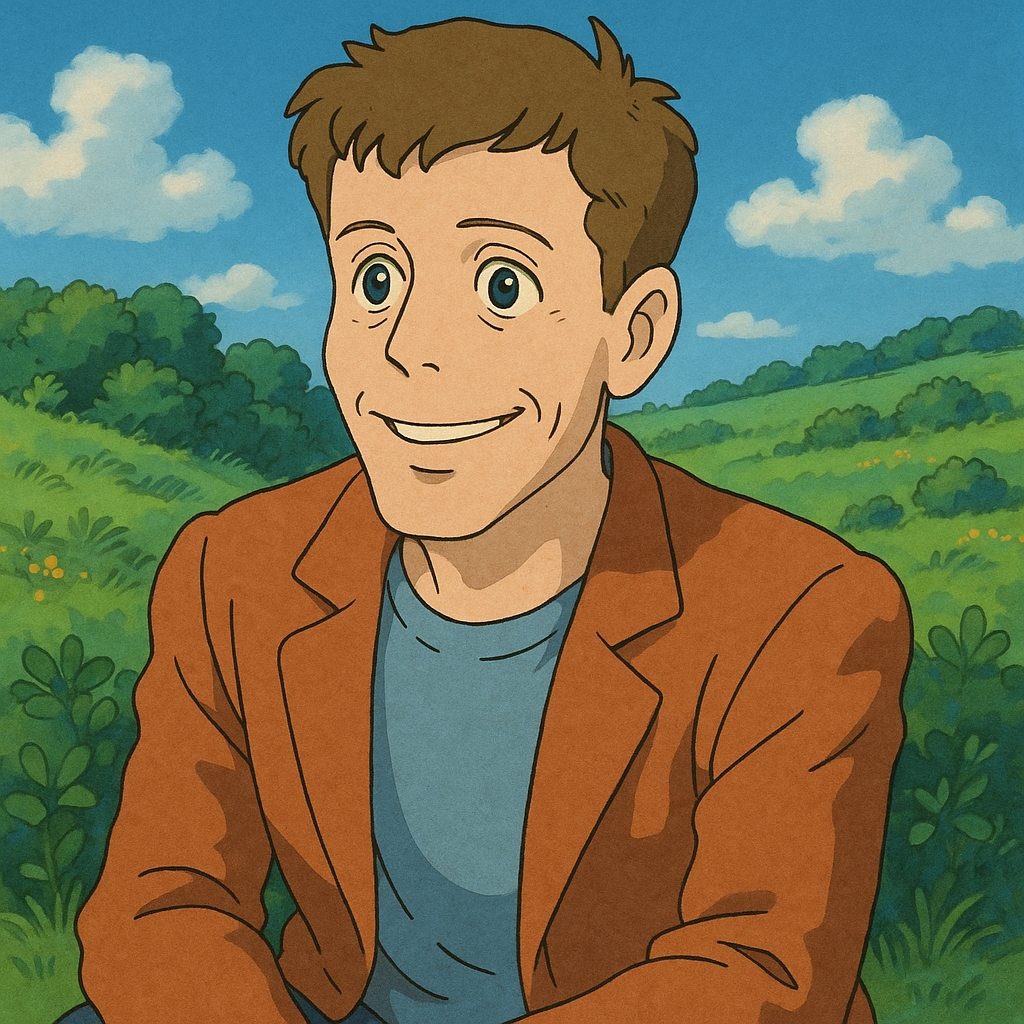
The Ghibli moment: how one ChatGPT feature generated 700 million images in a week and changed everything Retrospective on the March 2025 GPT-4o native image launch — 1,200 images per second, Studio Ghibli portraits flooding the internet, OpenAI's servers melting. Why did it go so viral? What does it tell us about creativity, copyright and human desire for artistic self-expression? A story that reads like cultural criticism, not a tech recap. Great for attracting the creative writing/artist audience.
Output
The Ghibli Moment: When 700 Million Dreams Flooded the Server and Changed the Soul of Art
March 2025 wasn't just a software update; it was a cultural detonation. When OpenAI flipped the switch on GPT-4o's native image generation — no plugins, no workarounds, just pure, instantaneous visual conjuring — they didn't just release a feature. They uncorked a genie bottle holding humanity's collective yearning for beauty, nostalgia, and effortless self-expression.
The result? 1,200 images per second. 700 million in a week. Servers groaning under the weight of a digital wildfire. And the fuel? Studio Ghibli.
The Avalanche of Totoro: Why Ghibli?
It wasn't just that GPT-4o could finally render convincing art. It was what it rendered with uncanny, heart-tugging precision: the soft watercolor skies, the wide-eyed wonder, the intricate details of moss on a rooftop, the specific blend of melancholy and whimsy that defines Hayao Miyazaki's universe.
Users typed simple prompts: "Me as a Ghibli character studying in a cozy library," "My cat flying on a tiny Kiki's broom," "Grandma's farmhouse in the style of My Neighbor Totoro."
Why did it go so viral? The answer lies in potent alchemy:
1. Instantaneous Nostalgia. Ghibli films are emotional anchors for generations. They represent a lost (or imagined) innocence, a connection to nature, and profound, quiet beauty. GPT-4o offered instant access to that feeling. It wasn't just making art; it was inhabiting a beloved dream.
2. Effortless Self-Insertion. For the first time, anyone could see themselves seamlessly woven into that magical aesthetic. No drawing skills, no expensive software — just words. It democratized a specific, deeply desired form of artistic identity. The portraits weren't just images; they were digital wish-fulfillment avatars.
3. The Aesthetic Sweet Spot. The Ghibli style is complex enough to feel artistic and valuable, yet possesses a distinct, recognizable core that the AI could latch onto and replicate with startling fidelity. It hit the uncanny valley of style — familiar enough to be nostalgic, novel enough to be exciting.
4. The Meme Engine. Seeing everyone — friends, pets, politicians, historical figures — transformed into Ghibli characters became an irresistible social phenomenon. It was participatory culture on steroids, a global game of aesthetic dress-up. The internet became a vast, shimmering gallery of collective yearning.
The Servers Melted, But What About the Soul?
The technical spectacle was undeniable — OpenAI scrambling, engineers working overtime, the sheer computational roar of human desire translated into pixels. But the surface chaos masked deeper tremors.
The Copyright Conundrum, Writ Large. Here was an AI, trained on oceans of data including Ghibli's meticulously hand-crafted frames, churning out millions of derivatives. Was this homage, theft, or something entirely new? The viral explosion forced the uncomfortable question: when a style becomes a cultural language, who owns the grammar? Ghibli's silence was deafening, a stark contrast to the digital cacophony.
The Democratization Dilemma. Yes, it empowered millions. But did it devalue the craft? The years of practice, the understanding of light and composition, the human touch that imbues Ghibli's originals with their soul? Was this the ultimate liberation of artistic impulse, or the first step towards aesthetic homogenization — where unique voices are drowned in a sea of algorithmically perfected pastiche?
The Hunger Revealed. The sheer, unprecedented volume screamed one truth louder than any server alarm: humans possess a profound, universal desire for artistic self-expression and connection to beauty. We crave to see ourselves reflected in wonder, to share that vision instantly. GPT-4o didn't create this desire; it exposed its staggering, pent-up magnitude. We didn't just want tools; we wanted enchantment on demand.
The Speed of Forgetting. As quickly as the Ghibli wave rose, it began to recede. 700 million images became a blur. The sheer volume diluted the magic. Individual portraits — each someone's cherished dream-self — became ephemeral data points in a vast, fleeting trend. It highlighted the paradox of infinite creation: abundance can breed disposability.
The Lingering Afterimage
The "Ghibli Moment" wasn't just a tech milestone; it was a cultural Rorschach test.
For Artists, it was a siren song of possibility and a chilling warning of obsolescence. It forced a reckoning with the value human artists bring beyond stylistic mimicry.
For Technologists, it was proof of explosive demand, but also a stark lesson in the unintended cultural consequences of scale. Servers can be upgraded; the ethics of style replication are harder to fix.
For Everyone Else, it was a week of pure, accessible magic — a chance to play in a beloved fantasy. But it also left a question hanging: when beauty becomes this easy, this instantaneous, does it lose its power to truly move us? Does the struggle, the imperfection, the human hand, imbue art with a value that flawless algorithmic replication can never capture?
The servers cooled. The Ghibli wave subsided, replaced by the next trend. But the landscape was irrevocably altered. The Moment proved that the line between human creativity and machine generation is not just blurring; it's being flooded by a tidal wave of collective desire. It showed the world the breathtaking potential of AI as a dream machine. And it whispered a cautionary tale: that in the rush to create infinite beauty, we might just lose sight of what makes it precious.
The ghost of Miyazaki, one suspects, watched the digital Totoro avalanche with a profound, inscrutable silence. The future of art, it seems, will be written not just with brushes or code, but in the volatile space where human longing meets machine capability.
Comments
Be the first to comment!