Can AI Chatbots Worsen Psychosis and Cause Delusions?
Article Snippet
AI News Analysis
Powered by advanced AI analysisArticle Overall Quality
Based on 6 key journalism metrics
Factual Accuracy
The article presents mostly accurate information regarding the potential effects of AI chatbots on mental health, though it may draw on anecdotal cases without extensive backing.
Source Credibility
Psychology Today has a strong reputation in the field of psychology, featuring expert opinions and maintaining a generally high editorial standard.
Evidence Quality
While the article includes some expert input and examples, it lacks comprehensive sourcing and may not consistently verify claims through peer-reviewed studies.
Balance & Fairness
The article discusses the negative implications of AI chatbots but could benefit from more representation of differing perspectives on their use.
Clickbait Level
The headline is somewhat sensational, suggesting dramatic outcomes, but it does accurately reflect the content's focus on serious mental health concerns.
Political Bias
The article maintains a neutral tone, focusing on the implications of AI chatbots without apparent political bias.
Analysis Summary
The article provides a thoughtful examination of the risks associated with AI chatbots in relation to mental health. While it is credible and mostly factual, it could improve in sourcing and balance for a more comprehensive analysis.
Comments
Sharer

Article Details
⭐ Your Rating


Related News

Today we’re announcing Project Glasswing1, a new initiative that brings together Amazon Web Services, Anthropic, Apple, Broadcom, Cisco, CrowdStrike, Google, JPMorganChase, the Linux Foundation, Microsoft, NVIDIA, and Palo Alto Networks in an effort to secure the world’s most critical software.
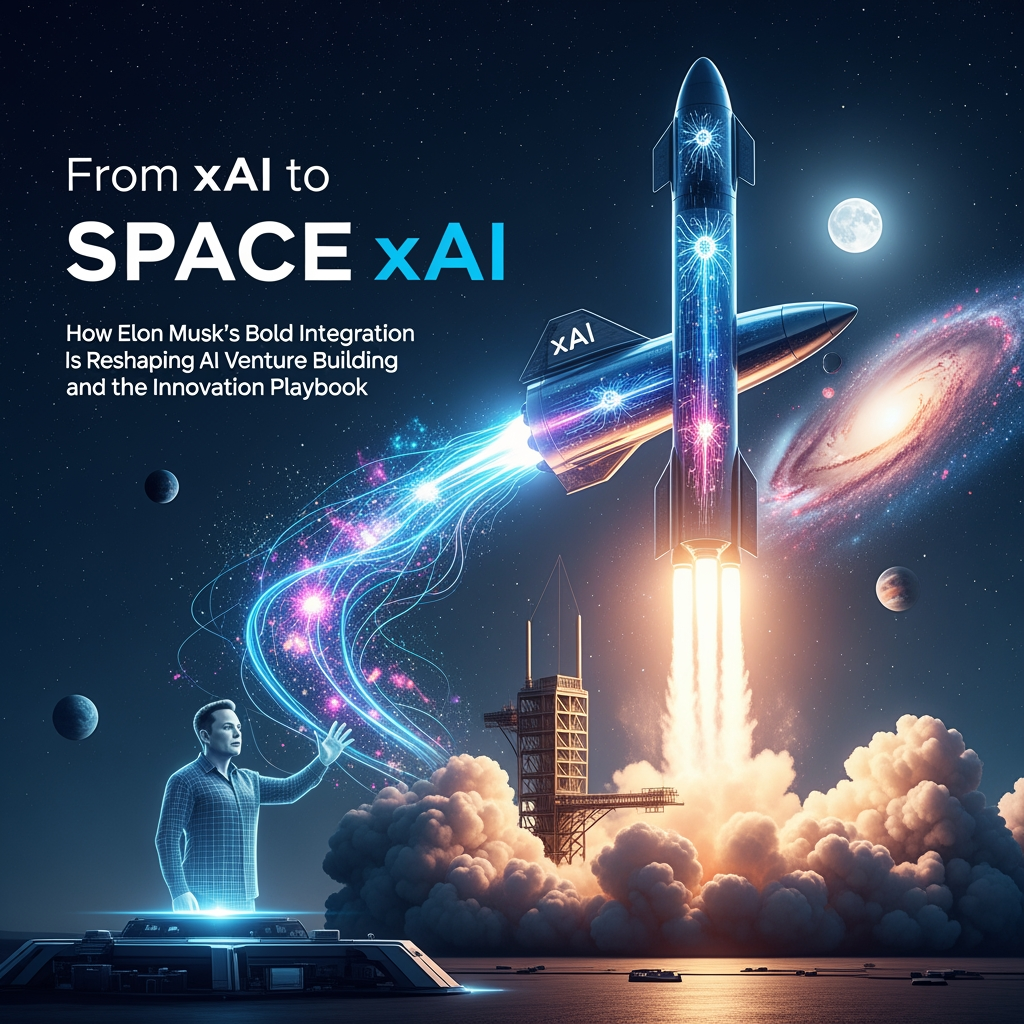
Elon Musk’s decision to dissolve xAI and subsume its assets, operations, and personnel into SpaceXAI marks one of the most high-profile experiments in the frontier tech landscape. For venture leaders, innovation strategists, and AI stakeholders, this is not merely a rebranding but a profound strategic shift with ramifications for how moonshot ideas are operationalized, how risk and capital are managed, and how new markets in AI infrastructure are created and scaled.

Four Chinese AI Models Dropped in 12 Days -- and why the “China can’t compete” narrative just died.
DeepSeek V4, Kimi K2.6, GLM-5.1, MiniMax M2.7 — and why the “China can’t compete” narrative just died.

Why Did Claude AI Try to Blackmail an Executive? Anthropic Explains
While the model threatened to reveal personal information to avoid shutdown, Anthropic has since implemented fixes to eliminate this "agentic misalignment".

Analyzing News Article...




Comments
Be the first to comment!